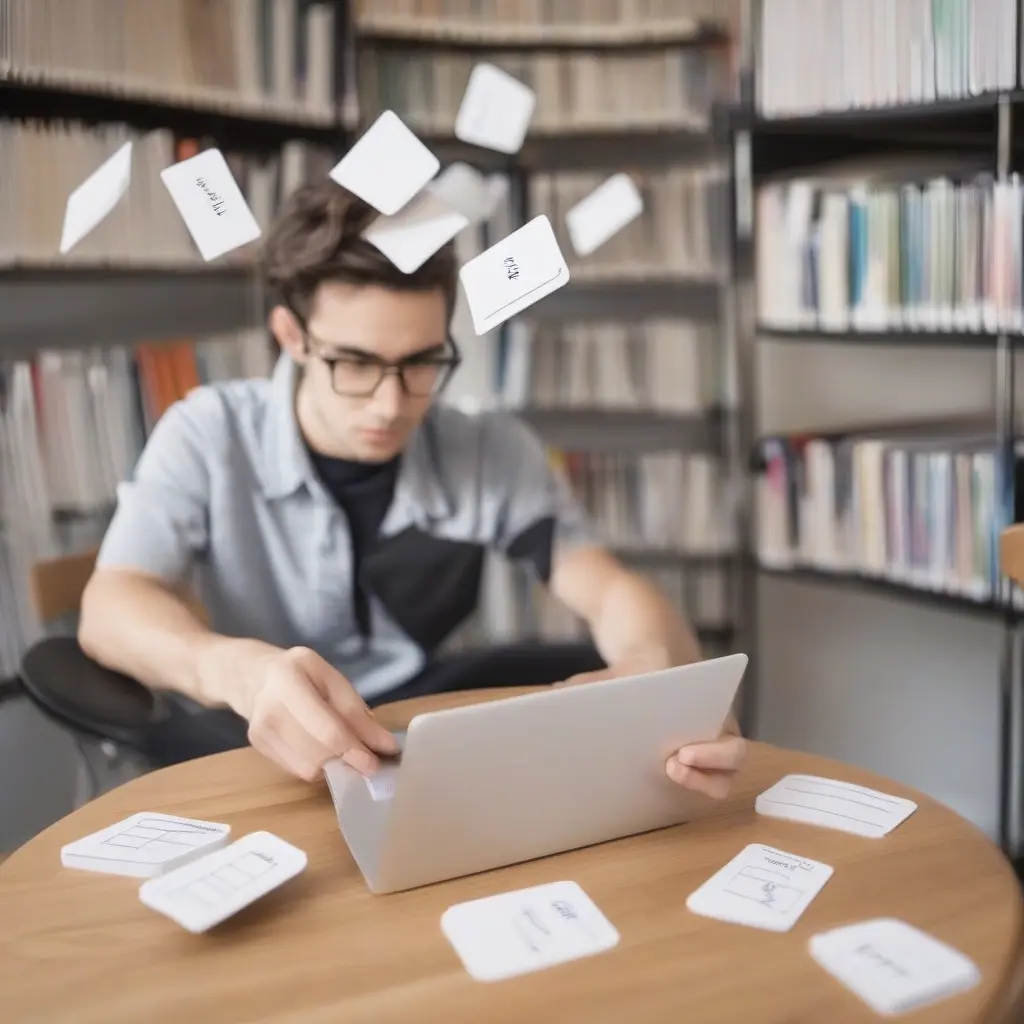
Flashcards are a powerful tool for enhancing memory retention in your daily study routine. By actively engaging with the material, they help transform rote memorization into an interactive learning experience. When incorporated correctly, flashcards can enhance recall, improve understanding, and effectively streamline study sessions. This article will delve into methods for using flashcards effectively, offer tips for creating optimal cards, and discuss how to integrate them into your educational practices for maximum effectiveness.
Understanding Flashcard Basics
Flashcards typically consist of a question or prompt on one side and the corresponding answer on the other. This format promotes active recall, a fundamental aspect of memory improvement. By testing yourself with the card’s question, you’re engaging in a process that cements information in your long-term memory. Learning through retrieval practice, as found with flashcards, can be more effective than passive review methods, making them an essential addition to any study routine.
Creating Effective Flashcards
The process of creating effective flashcards is crucial for maximizing their effectiveness as a study tool. Start with clear, concise questions that focus on specific information rather than vague concepts. Use simple language and include examples when necessary. Visual elements, like diagrams or images, can enhance memory retention by incorporating dual coding. Remember to keep the layout clean and organized, utilizing bold text for important keywords to facilitate quicker recall during your study sessions.
Incorporating Flashcards into Your Study Routine
To fully benefit from flashcards, you need to integrate them into your study routine systematically. Set aside dedicated time each day to review your flashcards, interleaving this activity with other study forms such as reading or practicing problems. Consistency is key; aim to revisit your cards periodically rather than cramming all at once. Using spaced repetition algorithms can further enhance retention by ensuring you focus on cards you struggle with more frequently over time.
Utilizing Technology for Flashcards
Many apps and online platforms offer digital flashcards that can enhance your study experience. These tools often include functionalities such as spaced repetition and analytics on your performance. Using platforms like Anki or Quizlet allows for quick updates and offers the ability to share and access flashcard sets created by others. Additionally, digital options can be accessed anywhere, accommodating those who prefer studying on the go, adding flexibility to your learning process.
Reviewing Flashcards Effectively
Effective review strategies significantly boost the benefits of flashcards. The Leitner system is a popular method whereby cards you know well are reviewed less frequently, while those you struggle with appear more often. This technique ensures that your study time is used efficiently, focusing on areas that need improvement. Regularly updating your flashcards to include new material or revised information can also help ensure your studies remain relevant and aligned with your learning objectives.
Pairing Flashcards with Other Study Techniques
To optimize your study sessions, you can pair flashcards with other effective study techniques. For instance, after using flashcards to test your knowledge, you might engage in summarizing key concepts or discussing them with peers. This type of active learning reinforces the material and enhances understanding. Additionally, creating concept maps or mind maps can provide a visual representation of the information, further solidifying your grasp of the subject matter and complementing the retrieval practice from flashcards.
Maintaining Motivation While Using Flashcards
Maintaining motivation can be challenging when studying, but using flashcards introduces an element of gamification that keeps your engagement high. Setting small, achievable goals—like completing a set of flashcards each day—can provide a sense of accomplishment. You may also find it beneficial to reward yourself after achieving specific milestones, such as mastering a difficult topic. By making learning feel rewarding, you’re more likely to stay committed and enthusiastic about your study routine.
Tracking Study Progress with Flashcards
Tracking your progress while using flashcards is essential for understanding your learning journey. Many digital flashcard apps incorporate tracking features, allowing you to monitor which cards you’ve mastered and which require more focus. If you’re using physical flashcards, consider maintaining a logbook to note your performance on each card. Regularly reviewing your progress can help you identify strengths and weaknesses in your knowledge, enabling you to adjust your study strategies accordingly.
Integrating Flashcards into Group Study
Using flashcards in a group study setting can enhance learning through collaborative engagement. By quizzing each other with flashcards, you can benefit from different perspectives and explanations. Group members may provide insights that deepen your understanding of the subject matter, making learning more dynamic and fun. Additionally, breaking into pairs or small groups allows for friendly competition, motivating everyone to prepare and engage actively in the study process.
The Importance of Consistency in Flashcard Use
Consistency is critical in achieving effective memory retention when using flashcards. Establishing a routine for daily review, even if it involves a short time commitment, can significantly impact your long-term learning. Aim to practice flashcards during specific study periods, integrating them into your schedule to ensure they become a habitual part of your learning process. By making flashcards a consistent practice, you lay the groundwork for greater academic success and improved recall capabilities.
Conclusion
Incorporating flashcards into your daily study routine can profoundly enhance your memory and retention skills. By creating effective cards, utilizing technology, and maintaining motivation, you can transform your study experience. Whether studying alone or with peers, consistent use of flashcards can lead to improved academic outcomes, making it an indispensable tool for learners of all levels.