Creating a visual study board can be a transformative approach to enhance your learning experience. Visual study boards combine images, colors, and organization techniques to present information in a manner that is easy to recall. By utilizing visual aids, students can tap into their creative side while effectively categorizing and displaying key concepts. This method not only makes studying more interesting but also aids in memory retention by engaging the brain in a multi-sensory learning process. Here, we explore the benefits, design ideas, materials, and strategies to optimize your visual study board for better recall.
Understanding the Benefits of Visual Study Boards
Visual study boards offer various benefits for organizing study material. One primary advantage is improved memory retention, as visuals help to encode information more effectively in the brain. This method supports dual coding theory, where text and images work together to enhance learning. Furthermore, creating a visual study board encourages active learning, prompting students to engage with the material rather than passively absorbing it. By transforming information into diagrams, charts, or images, students can visually connect ideas, facilitating deeper understanding and quicker recall.
Choosing the Right Materials for Your Study Board
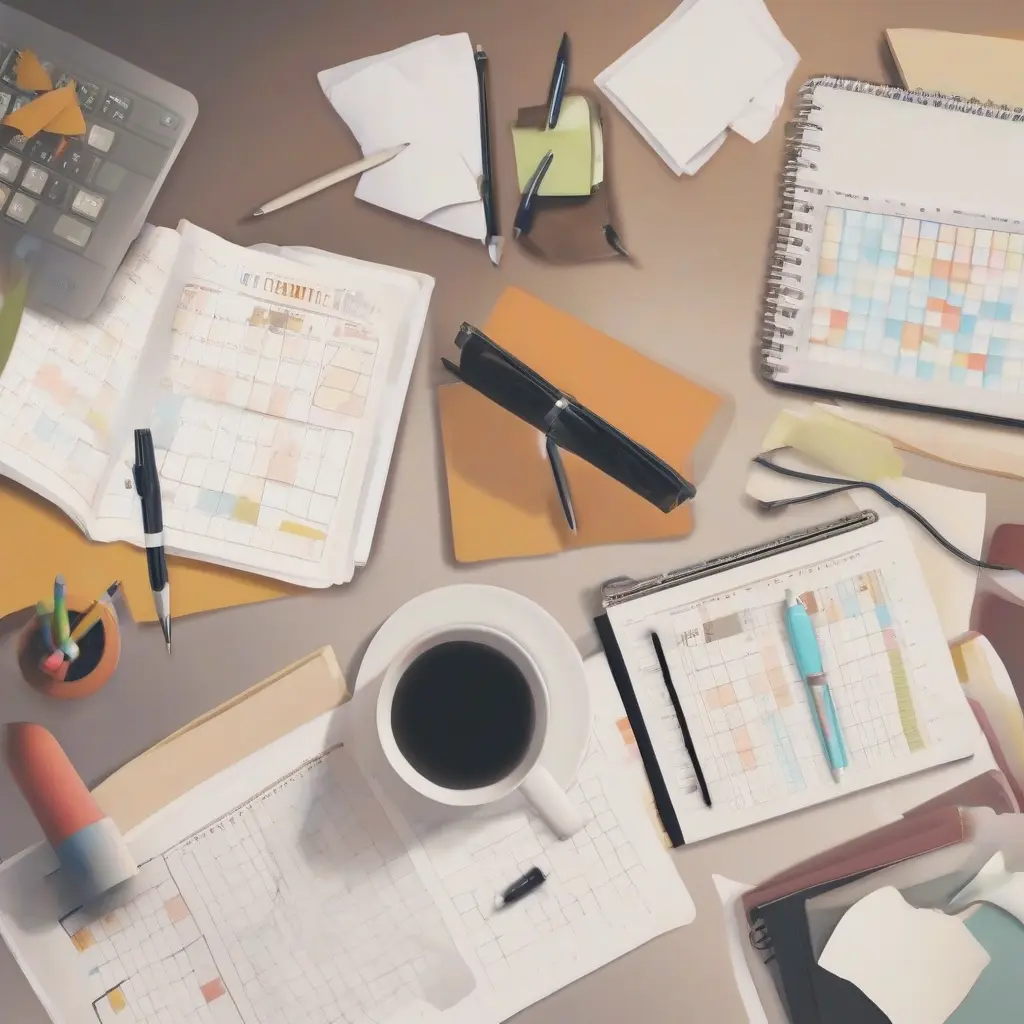
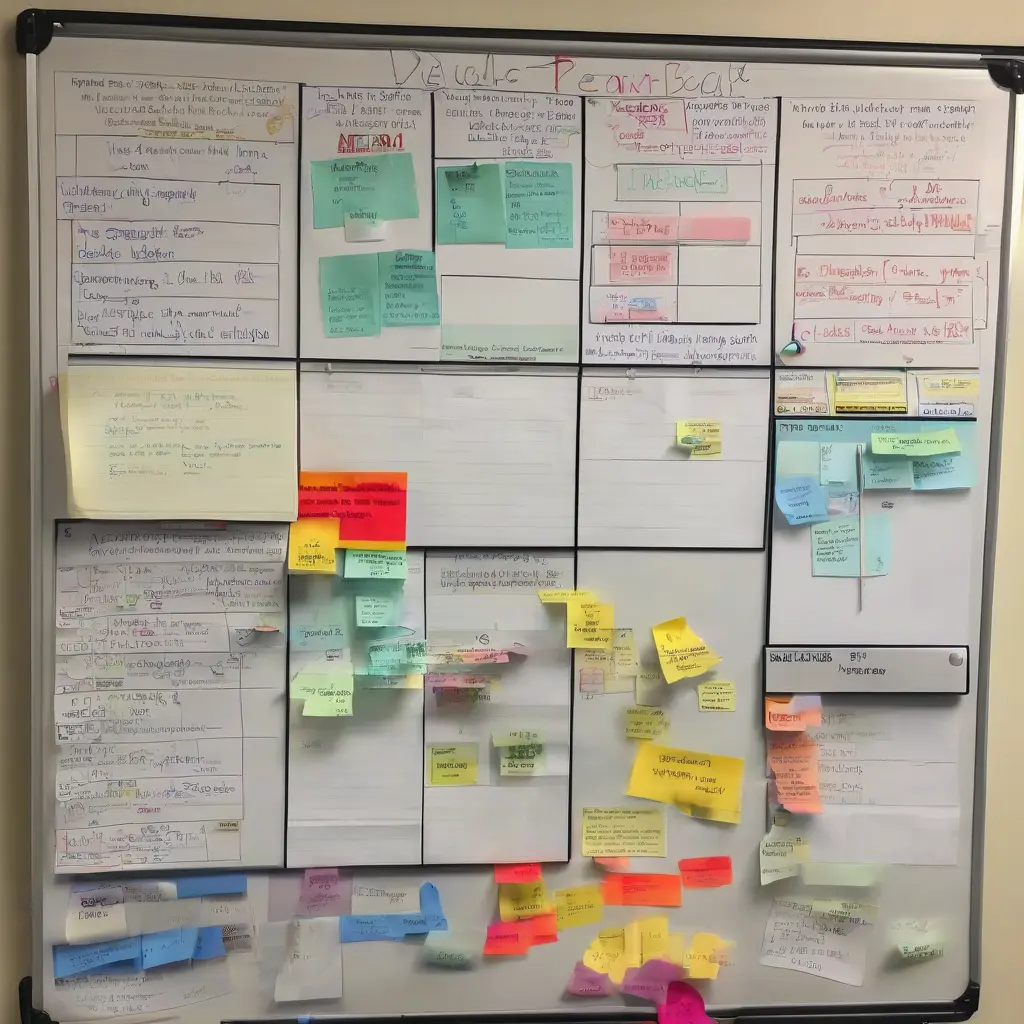
Selecting appropriate materials for your visual study board is crucial for its effectiveness. Common materials include poster boards, cork boards, and even digital platforms like Pinterest or Canva. Consider using colored markers, sticky notes, and printed images to enhance visual appeal. The tactile aspect of using physical materials can also reinforce learning, while digital tools provide flexibility and easy rearrangement of information. Ultimately, the choice of materials should reflect your study preferences and the complexity of information being organized.
Effective Design Principles for Visual Study Boards
Incorporating effective design principles is essential when creating your visual study board. Start by organizing the board into sections, categorizing related information to enhance clarity. Use contrasting colors to differentiate between topics, ensuring readability from a distance. Balance the layout with a mix of images, text, and whitespace to avoid visual clutter. Remember, the design should serve to highlight key information, not overwhelm the viewer. Consistency in font size and style across the board will provide a cohesive look, making it easier for you to absorb information.
Utilizing Visual Elements for Improved Recall
Using visual elements effectively can significantly boost recall ability. Visual aids such as diagrams, infographics, and mind maps enable information to be recalled more quickly. Incorporate symbols and icons that resonate with you, as these personal connections help reinforce memory. Additionally, consider using charts and graphs for numerical data, making complex information more accessible. Implementing a variety of visual elements allows for a richer study experience, enabling you to revisit different perspectives of the material while stimulating your creativity.
Integrating Colors and Themes into Your Study Board
Integrating colors and themes into your visual study board can enhance both its aesthetic appeal and functionality. Colors evoke emotions and can be used strategically to create mood or emphasize certain topics. For instance, using warm colors for critical concepts and cool colors for supplemental information can guide your focus. Themes can also unify the board, such as using nature-themed images for environmental studies. This not only makes the board visually pleasing but also creates a contextual learning environment that can facilitate memory recall.
Regularly Updating Your Visual Study Board
Updating your visual study board regularly is vital to keep your information relevant and useful. As you learn new topics or undergo revisions, reflect these changes on your board to maintain its effectiveness. Regular updates could involve adding new images, revising sections, or changing color schemes based on your recent learning. This process reinforces existing knowledge and continuously engages you with the material, catering to evolving learning needs. Keeping your study board dynamic ensures it remains a helpful tool in your daily study routine.
Collaborative Study: Sharing Your Visual Study Board
Collaborative study can greatly enhance the effectiveness of your visual study board. Sharing your board with classmates or study groups promotes discussion and diverse perspectives on the material. This collaborative effort can lead to new ideas and insights, solidifying your understanding. Moreover, witnessing how others interpret and use visual elements can inspire you to enhance your own techniques. Consider documenting the collaboration process with feedback or additional notes, which can offer further depth to your study board.
Implementing Study Techniques Alongside Your Board
Incorporating effective study techniques in conjunction with your visual study board can maximize learning outcomes. Techniques such as spaced repetition, practice testing, and summarization can complement the visual materials presented. For instance, after creating a visual representation of a topic, quiz yourself using flashcards that relate to the board. This method reinforces the connections established visually while providing a systematic recall process. By synergizing study techniques with your visual aids, you can create a more effective and efficient study routine.
Expanding Beyond Traditional Study Methods
Expanding beyond traditional study methods can lead to a more engaging learning experience. Visual study boards allow you to break free from linear note-taking, encouraging a holistic view of the subject matter. Experimenting with infographics, timelines, or flowcharts can enrich your understanding and perspective. This diversification not only aids in retaining information but also makes the study process more enjoyable. By blending creative approaches into your study routine, you’re likely to discover newfound motivation and interest in your studies.
Conclusion
Incorporating a visual study board into your study routine can significantly enhance information organization and recall. By understanding the benefits, utilizing appropriate materials, and integrating effective design principles, you can create a tool that transforms your learning experience. Regular updates and collaboration further solidify this unique approach to studying, making it a vital part of any effective daily study routine. Embrace this method to not only improve your academic performance but also make your study sessions more enjoyable.