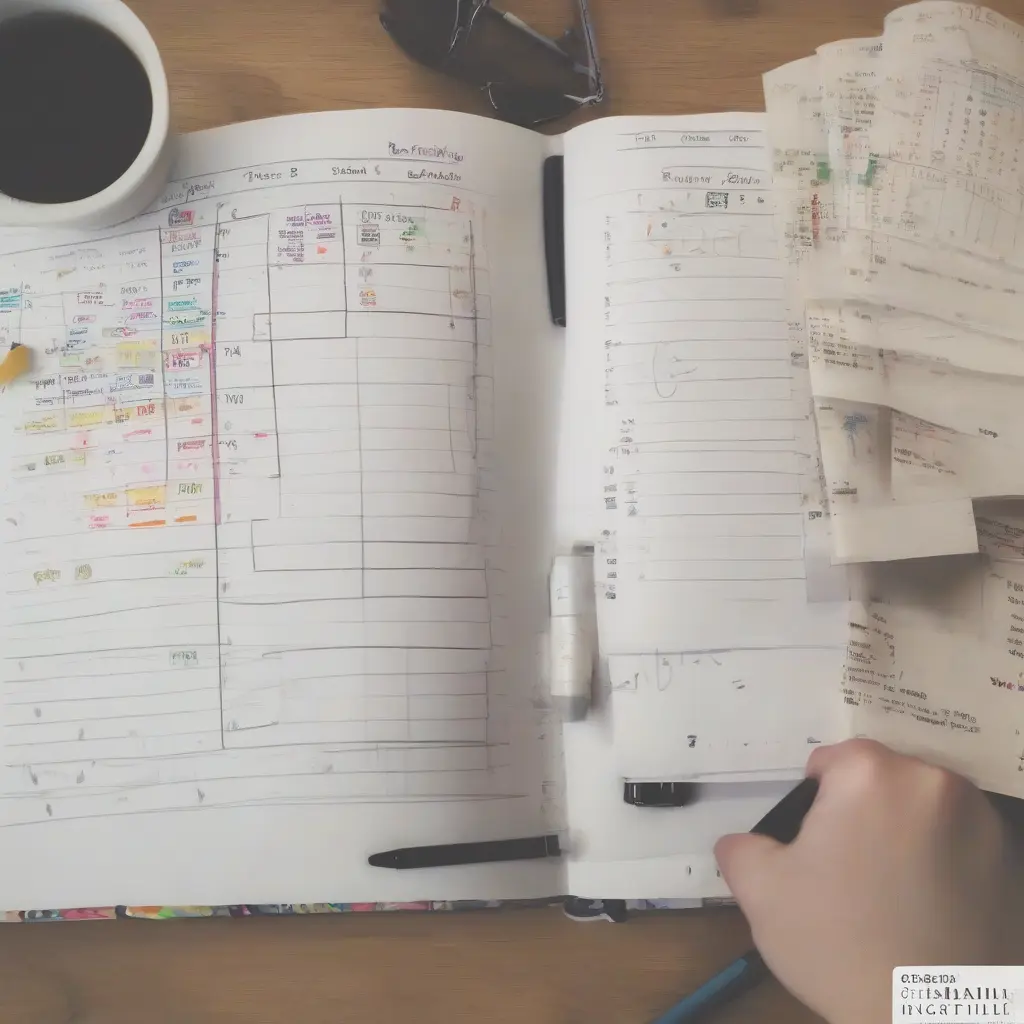
Creating a family-friendly study timetable is essential for balancing academic responsibilities with family obligations. A well-structured timetable not only enhances productivity but also fosters a conducive learning environment at home. By considering the unique needs of each family member, parents can help their children develop good study habits while ensuring family time isn’t compromised. It is crucial to incorporate flexibility, consistency, and engagement in the timetable design. This article outlines best practices for crafting a study timetable that supports both learning and family bonds.
Understanding Family Dynamics
Before designing a study timetable, it is important to understand the dynamics within your family. Each family member may have different schedules, needs, and energy levels. For instance, some may be productive early in the morning while others work better in the evening. Additionally, consider commitments such as extracurricular activities, work schedules, and household responsibilities. By mapping out these factors, you can create a timetable that accommodates everyone’s needs, ensuring that study time fits seamlessly into daily life.
Setting Clear Goals
Establishing clear academic goals for each family member is a vital step in building an effective study timetable. These goals can range from completing specific subjects to mastering certain skills. Encourage family members to set realistic, measurable objectives and track their progress regularly. When children see their achievements, it fosters motivation and boosts their confidence. Clear goals provide a purpose for study sessions, making it easier to allocate appropriate time slots in the timetable.
Incorporating Flexibility
Flexibility is key when creating a family-friendly study timetable. Life can be unpredictable, and rigid schedules may lead to frustration. Allow for buffer times around study sessions and anticipate possible interruptions. This flexibility enables family members to adjust their study times without feeling guilty or overwhelmed. You can also consider themes for certain days, like ‘Math Mondays’ or ‘Science Sundays,’ which can help in planning while still allowing spontaneity in daily routines.
Creating a Visual Timetable
A visual timetable can significantly enhance comprehension and engagement among family members. Use colorful charts or digital tools to display the study timetable prominently in a common area of the house. This approach not only serves as a constant reminder of study commitments but also allows for easier collaboration. Family members can update the timetable together, fostering a sense of ownership and responsibility in their academic journey.
Involving the Whole Family
Involving the entire family in the timetable creation process can strengthen connections and ensure everyone is on the same page. Hold a family meeting to discuss preferences, needs, and limitations. This collaborative approach helps family members feel valued and increases the likelihood of adherence to the timetable. Also, consider setting aside time for family study sessions where everyone can work on their tasks together and offer support to one another.
Incorporating Breaks Effectively
Integrating regular breaks into the study timetable is essential for maintaining focus and productivity. Research suggests that taking short, scheduled breaks can improve concentration and information retention. Encourage family members to step away from their study materials, stretch, or engage in light physical activity during these breaks. This balance between study and leisure can prevent burnout and create a healthier learning environment at home.
Balancing Study Time with Family Activities
While academic responsibilities are important, balancing study time with family activities is equally crucial. Schedule study sessions around family meals, outings, or game nights to ensure that educational pursuits do not overshadow quality time together. Designating specific days for family activities helps everyone recharge and reinforces the family bond. This balance ultimately leads to a more harmonious home atmosphere where both learning and relationships thrive.
Reviewing and Adjusting the Timetable
Regularly reviewing and adjusting the study timetable is vital to its effectiveness. As schedules change, so too should the timetable. Set aside time each month to evaluate the timetable’s performance, discussing what works and what doesn’t with the family. This ongoing communication ensures that the timetable remains relevant, accounting for changes in academic workload, family commitments, or personal preferences. This adaptability helps maintain motivation and keeps everyone aligned.
Utilizing Technology to Your Advantage
In today’s digital age, utilizing technology can greatly enhance the effectiveness of a family-friendly study timetable. Many apps and online tools allow families to create, share, and update schedules seamlessly. These platforms often come with features like reminders, alerts, and collaborative planning tools that can improve accountability. By integrating technology, families can remain organized while making the process engaging and interactive for all members.
Creating a Positive Study Environment
A conducive study environment plays a crucial role in academic success and can be incorporated into the timetable planning process. Designate specific areas in the home as study zones, ensuring they are quiet, comfortable, and free from distractions. Personalize these spaces with study materials, inspirational quotes, and tools that cater to individual learning styles. A well-organized study environment can significantly enhance focus and efficiency while studying at home.
Encouraging Independence in Learning
Encouraging independence in learning is an essential aspect of a family-friendly study timetable. While parental guidance is important, allowing children to take ownership of their study habits can enhance their confidence and work ethic. Promote self-directed learning by helping them set personal goals and select study methods that suit their preferences. This independent approach can lead to greater commitment and a positive attitude toward studying.
Conclusion
Creating a family-friendly study timetable requires careful consideration of various factors to ensure its effectiveness. By understanding family dynamics and setting clear goals, families can craft a flexible and engaging timetable. Incorporating breaks, balancing study time with family activities, and utilizing technology further enhances this process. Ultimately, a well-structured study timetable creates a harmonious environment that promotes both educational success and cherished family time.