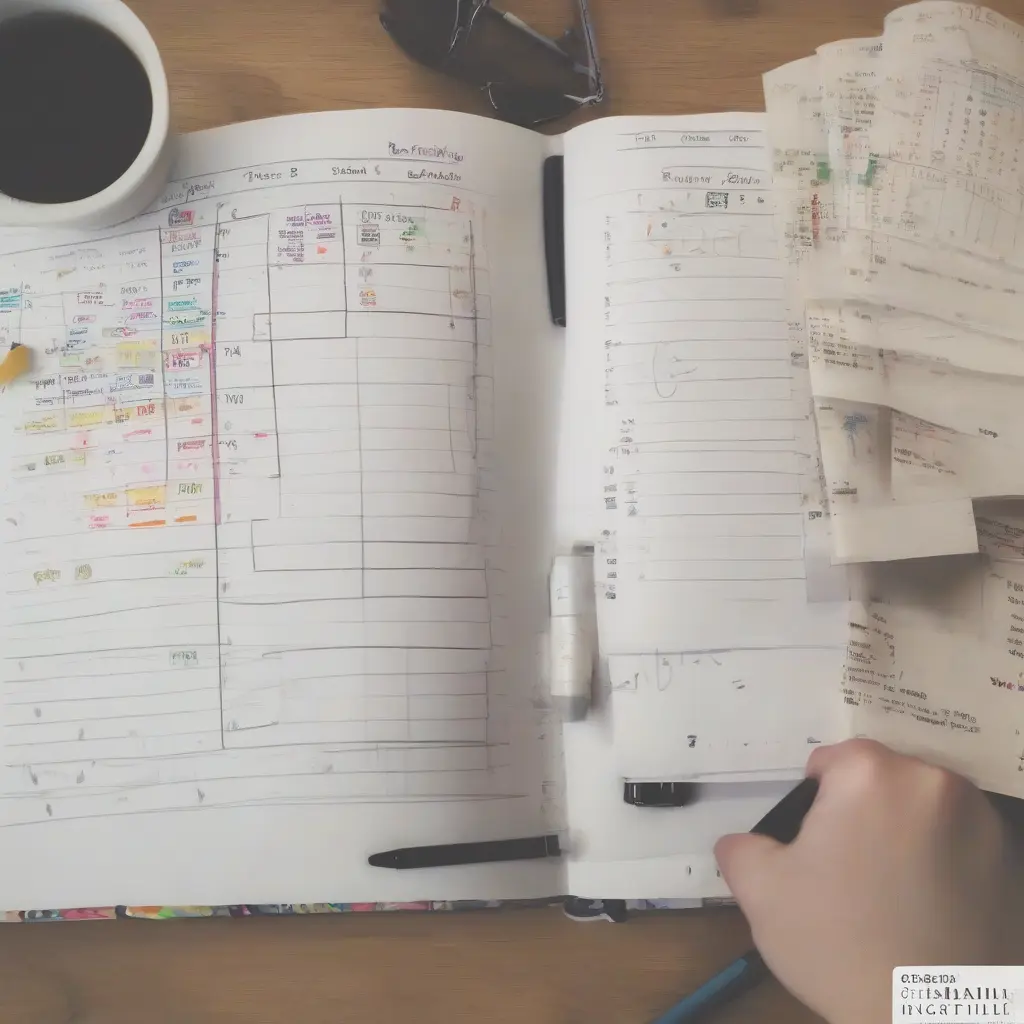
The Pomodoro Technique, a time management method developed by Francesco Cirillo in the late 1980s, has gained traction for its effectiveness in boosting productivity. Traditionally, it involves working in focused bursts of 25 minutes followed by short breaks. However, when it comes to creative work, such as writing, designing, or brainstorming, this standardized approach can sometimes stifle inspiration. Modifying the Pomodoro Technique for creative endeavors can help maintain focus while also encouraging the free flow of ideas. In this article, we will explore unique adaptations to the Pomodoro Technique that can enhance creative productivity.
Understanding the Original Pomodoro Technique
The original Pomodoro Technique involves intervals of focused work followed by short breaks, typically lasting 25 minutes for work and 5 minutes for rest. This method leverages the psychology of time pressure to enhance concentration and stave off distractions. The breaks serve to refresh the mind, allowing for improved productivity during the next work session. While it is effective for traditional tasks, such as studying or administrative work, creative tasks often require different rhythms that can enhance creative thinking and ideation.
Recognizing the Unique Needs of Creative Work
Creative work often involves a fluid thought process that can be interrupted by rigid time constraints. Unlike tasks that are straightforward and structured, creative endeavors demand a balance of focus and freedom. Recognizing this, it is essential to adapt the Pomodoro Technique to create an environment conducive for creativity. This adaptation might involve altering time intervals, allowing for greater flexibility in the approach to maintain inspiration and effective workflow.
Experimenting with Time Intervals
One way to modify the Pomodoro Technique for creative work is by experimenting with varying time intervals. Instead of the traditional 25-minute work session, consider extending it to 40 or even 50 minutes, particularly when working on complex creative tasks. This extended period allows for deeper immersion into the work, which is often necessary for creative breakthroughs. Likewise, customize your break times; longer breaks can give your mind the space it needs to wander and generate new ideas.
Incorporating Flexible Breaks
In traditional Pomodoro setups, breaks are timed at consistent intervals; however, flexibility can bring more value in creative contexts. For instance, taking a break as soon as you feel your focus waning, rather than adhering strictly to the timer, can provide essential mental relief. During these flex breaks, try engaging in different activities that might stimulate creativity, such as taking a walk, doing light exercises, or even sketching out ideas unrelated to the main task at hand.
Setting Intentions Before Each Session
Before embarking on a creative work session, it is beneficial to set specific intentions for that time. This could mean outlining what you hope to accomplish or the themes you want to explore during the session. By doing so, you create a focus that can guide your thoughts and actions throughout the session. This intention-setting can act as a motivational anchor, helping to steer your creativity in meaningful directions and ensuring that you make the most of your time.
Allowing for Unstructured Creativity
While structure is vital for productivity, allowing for unstructured creative time can foster innovation. Instead of fixed tasks during some sessions, embrace free exploration, letting your thoughts flow without constraints. This might involve brainstorming, mind-mapping, or even doodling, which can catalyze new connections and ideas. Over time, mixing structured Pomodoro sessions with unstructured creative exploration can lead to significant improvements in creativity and problem-solving abilities.
Utilizing Tools and Apps for Tracking
Leveraging technology can simplify the adaptation of the Pomodoro Technique for creative work. Many apps are designed to help track time and breaks while maintaining flexibility. Some tools allow customization of Pomodoro intervals and breaks, enabling you to tailor them according to your creative needs. Using such tools can keep you accountable while giving you the adjustments necessary to unlock your creative potential effectively.
Creating a Personalized Pomodoro Revolution
Creating your version of the Pomodoro Technique is about more than just changing the time intervals; it involves designing a luxurious experience that accommodates your creative style. Consider the contexts in which you feel most inspired, whether it’s being outdoors or in a caffeinated setting. Incorporating your preferences into your modified Pomodoro Technique will create a more enjoyable and productive environment, fueling your creative output in the process.
Balancing Focus with Freedom
The key to successfully modifying the Pomodoro Technique for creative work is finding a balance between focus and freedom. While scheduled breaks and focused sessions are important, it’s equally crucial to allow yourself the room to explore ideas spontaneously. Ensure that some of your sessions are dedicated solely to experimenting with ideas, drawing inspiration from various sources without a rigid framework. This balance can lead to a richer creative process while maintaining the structure needed to enhance productivity.
Reflecting on Your Progress
After implementing these modifications, it’s vital to reflect on your progress regularly. Take note of what methods stimulated your creativity most effectively and which approaches may not have worked as well. Keeping a journal can be beneficial to track your sessions, noting the time intervals you used, the nature of your breaks, and the overall output of your creative work. This reflection helps in continuously refining your personalized Pomodoro strategy, ensuring that it evolves alongside your creative process.
Conclusion
In summary, adapting the Pomodoro Technique for creative work requires a flexible approach tailored to your unique needs and preferences. By experimenting with time intervals, allowing for unstructured sessions, and setting clear intentions, you can unlock more effective creativity. Such modifications can help maintain focus while fostering inspiration and innovation, ultimately enhancing your creative productivity.