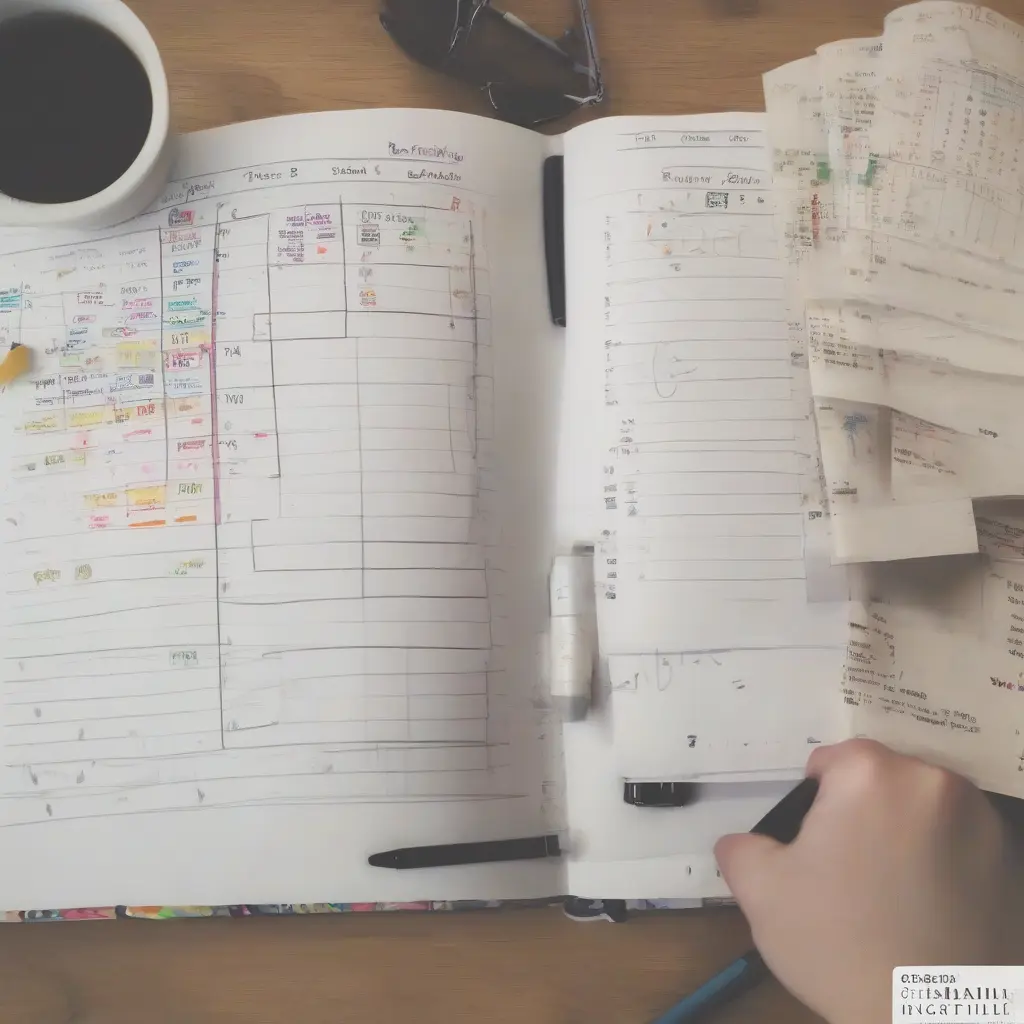
Creating an effective study timetable can significantly enhance your learning efficiency, especially when resources are limited. This guide outlines actionable steps for building a comprehensive plan that considers your available tools, time constraints, and study objectives. With a structured approach, you can manage your study time wisely, ensuring that you cover all necessary topics without feeling overwhelmed. By prioritizing your tasks and setting realistic goals, you’ll find yourself more productive and less stressed.
Assess Your Current Resources
Before creating a study timetable, it’s essential to evaluate what resources you currently have at your disposal. These resources can include textbooks, online materials, study apps, or even access to libraries. By understanding your limitations and available tools, you’ll be able to tailor a timetable that effectively utilizes what you have. This assessment will inform how you allocate your time across different subjects or topics, making your study sessions more efficient.
Define Your Study Goals
Setting clear and achievable study goals is fundamental when creating your timetable. Break down larger objectives into smaller, manageable tasks that you can realistically accomplish in each study session. For instance, if you aim to finish a specific chapter or topic, identify key concepts and subtopics that require focus. This clarity not only provides direction but also keeps you motivated as you check off completed tasks, ensuring that your study timetable remains purposeful.
Choose the Right Tools for Planning
Selecting appropriate tools can greatly influence how effectively you execute your study timetable. While digital planners and apps are popular, simple methods like pen and paper or printable templates can also work wonders. Choose a method that aligns with your studying style and is easy for you to update as needed. The main focus should be on creating a visual representation of your study plan, making it easier for you to track progress and stay on schedule.
Prioritize Your Subjects
When constructing your timetable, it’s crucial to prioritize subjects based on difficulty and upcoming deadlines. Allocate more time to challenging topics that may require extra attention while ensuring subjects with imminent assessments receive adequate focus. This strategic prioritization will help you allocate your study time more effectively, allowing you to invest your energy where it is needed most, ultimately enhancing your comprehension and retention.
Incorporate Breaks and Downtime
An effective study timetable should also include scheduled breaks and downtime to help maintain your mental stamina. Short breaks every hour or so can boost concentration and retention, preventing burnout. Consider incorporating activities you enjoy during these breaks, such as a quick walk or a snack. This balanced approach not only revitalizes your mind but also keeps your study experience more enjoyable, thereby improving overall productivity.
Experiment and Iterate
Creating a study timetable is an iterative process, and it’s essential to remain flexible. Regularly review and assess how your plan is performing. Are you meeting your goals, or is there room for improvement? If you find certain strategies or time blocks are not effective, don’t hesitate to modify them. Adaptability is key, especially when resources are limited, as it allows you to optimize your study habits in a way that best suits your needs.
Use Time Blocks Effectively
Time blocking is a highly effective strategy that can be integrated into your study timetable. This method involves dedicating specific time slots to particular subjects or tasks, creating a more structured learning environment. Focus on single subjects during each block and avoid multitasking. This concentrated approach can significantly enhance your retention and understanding of the material, ensuring that each study session is productive.
Set Realistic Timeframes
When drafting your study timetable, it is crucial to set realistic timeframes for each task. Overestimating your capacity can lead to frustration and demotivation. Instead, consider the complexity of each subject and how long you truly need to grasp the material. Establish timeframes that allow for thorough work but are also manageable to ensure you remain on track without overwhelming yourself.
Involve Others for Accountability
Enlisting study partners or support groups can employ an added layer of accountability to your study timetable. Sharing your goals and progress with others makes you more likely to stick to your plan. Consider scheduling joint study sessions or simply keeping each other updated on accomplishments. This collaborative environment can foster mutual motivation and support, enhancing the overall study experience.
Stay Positive and Motivated
Maintaining a positive mindset throughout your study journey is essential. Celebrate small victories and progress milestones to keep your motivation high. Surround yourself with encouraging influences, whether in person or through online communities. Fostering an optimistic attitude will not only boost your resilience when challenges arise but also make studying a more rewarding endeavor.
Conclusion
Creating an effective study timetable with limited resources requires careful planning, prioritization, and adaptability. By assessing your resources, setting clear goals, and using effective strategies, you can design a timetable that maximizes your study sessions. Remember that flexibility is key; as your needs change, so too should your schedule. An organized timetable can lead to better comprehension, improved performance, and a more enjoyable learning experience.