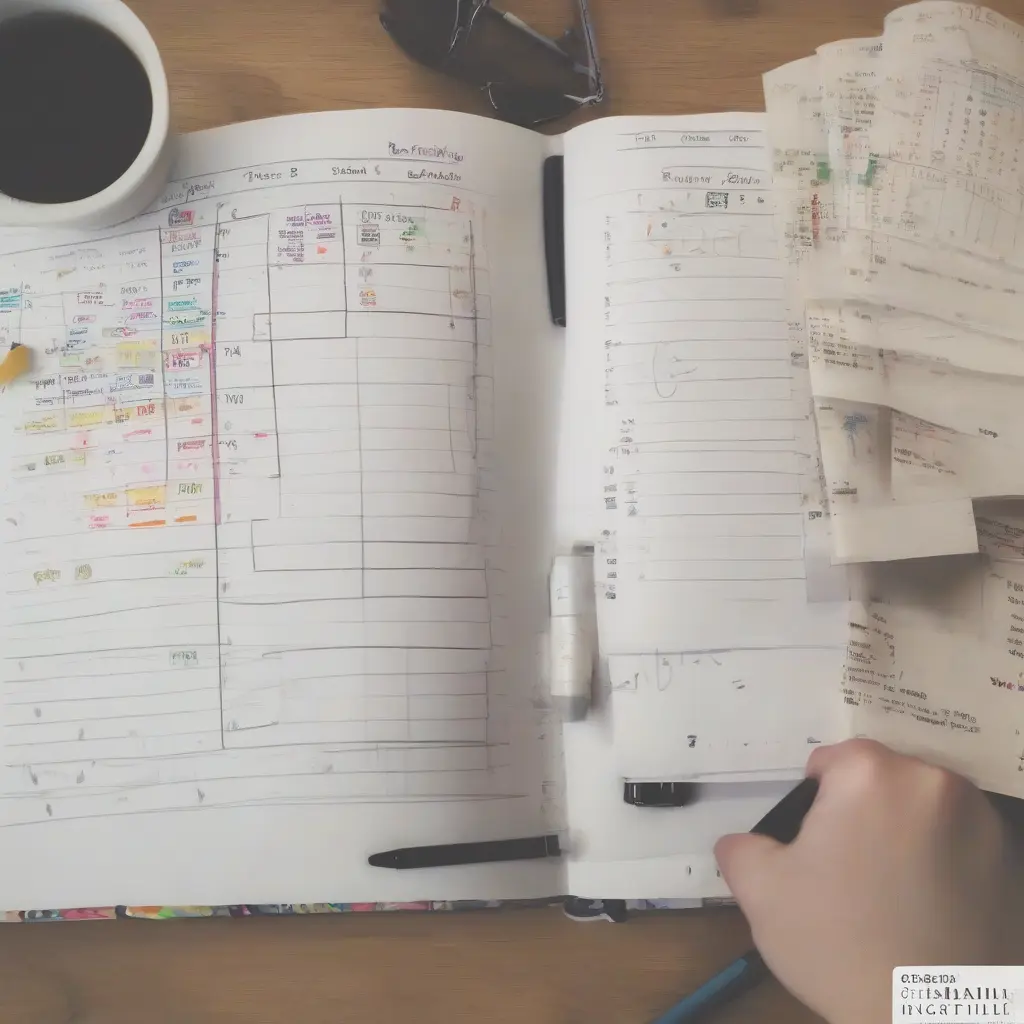
Time management is crucial for students aiming to balance academic responsibilities with personal life. A well-structured study timetable can help you allocate time effectively, minimize stress, and improve academic performance. By prioritizing tasks and creating a plan that aligns with your goals, you can enhance your productivity and make studying more efficient. This article explores various strategies for developing a successful study timetable that caters to your unique learning style and commitments.
Understanding the Importance of Time Management
Time management is essential for students, as it directly influences academic success and personal well-being. Managing time effectively allows students to prioritize tasks, meet deadlines, and reduce anxiety associated with overloaded schedules. With many responsibilities, including classes, assignments, and extracurricular activities, students who master time management skills are more likely to achieve their academic goals and enjoy a balanced lifestyle.
Assessing Your Current Time Use
Before creating a study timetable, it’s important to assess how you currently spend your time. Keeping a time log for a week can reveal patterns in your daily activities. This assessment can help you identify time-wasting habits, allowing you to focus on what truly matters. Understanding where your time goes is the first step in optimizing your schedule for better productivity.
Setting Clear Academic Goals
Setting clear, achievable academic goals is vital when creating a study timetable. These goals provide direction and motivation for your study sessions. Break down larger goals into smaller, manageable tasks and ensure they are specific, measurable, attainable, relevant, and time-bound (SMART). This clarity aids in prioritizing study activities effectively, ensuring that you stay on track to meet your academic objectives.
Choosing the Right Tools for Planning
A variety of tools can assist in planning and maintaining your study timetable. Digital calendars, planning apps, and traditional paper planners each have their benefits. Digital tools often allow for reminders and integration with other apps, while paper planners can help with physical engagement. Choose the option that best fits your learning style and comfort to help organize your time effectively.
Creating a Weekly Study Schedule
When crafting a study timetable, a weekly format is often the most effective. This allows for flexibility while still providing structure. Allocate specific time blocks for different subjects or tasks, considering your energy levels throughout the day. For example, you might find that you are more productive in the morning for challenging subjects while leaving less demanding tasks for the afternoon.
Incorporating Breaks and Downtime
An effective study timetable should include scheduled breaks and downtime. Regular breaks can improve focus and retention, preventing burnout during intense study periods. The Pomodoro Technique, which involves studying for 25 minutes followed by a 5-minute break, is a popular method. Implementing this technique can help maintain concentration while ensuring you have time to recharge.
Prioritizing Tasks Using the Eisenhower Matrix
The Eisenhower Matrix is a valuable tool for prioritizing tasks based on urgency and importance. Divide your tasks into four categories: urgent and important, important but not urgent, urgent but not important, and neither. This framework helps you focus on high-priority tasks first, ensuring that your study time is used efficiently to meet deadlines and objectives.
Evaluating and Adjusting Your Timetable
Creating a study timetable is an ongoing process that demands regular evaluation. Weekly or biweekly reviews can help you assess what is working and what isn’t. Be adaptable; if you notice specific subjects need more time than allocated, adjust accordingly. Continuous improvement ensures your study strategy remains aligned with your academic goals and daily realities.
Finding Study Techniques That Work for You
Different study techniques work for different individuals, and finding the right ones can enhance the effectiveness of your timetable. Experiment with techniques such as active recall, spaced repetition, and mind mapping. Incorporating a mix of these strategies into your schedule can make studying more engaging and help retain information better, leading to improved academic performance.
Maintaining Balance: Study vs. Personal Time
Balancing study time with personal activities is essential for maintaining mental health and motivation. Your timetable should include time for social activities, hobbies, and relaxation. This balance fosters a healthier lifestyle and prevents burnout, ensuring you remain engaged and productive over the long term. Recognizing the importance of leisure can enhance your ability to focus when it comes time to study.
Tips for Sticking to Your Study Timetable
Sticking to a study timetable requires discipline and consistency. Set clear boundaries during study time, minimizing distractions from social media and unnecessary notifications. Sharing your timetable with friends or family can create accountability. Additionally, consider rewarding yourself for adhering to your study schedule, which reinforces positive habits and motivates continued adherence.
Conclusion
Creating an effective study timetable is a critical skill for students aiming to succeed academically. By managing your time well, setting clear goals, and prioritizing tasks, you can enhance your productivity and reduce stress. Regularly evaluating and adjusting your timetable ensures it remains effective, making studying a more manageable and rewarding process.