The Pomodoro Technique, developed by Francesco Cirillo, is a time management method that promotes enhanced productivity through structured work intervals. By incorporating these intervals into a weekly planner, individuals can optimize their focus and minimize distractions. This article will guide you in building a planner that leverages the Pomodoro Technique, helping you maintain momentum throughout your tasks. Understanding how to balance work and breaks while prioritizing responsibilities can skyrocket both efficiency and satisfaction. Whether you’re a student, professional, or entrepreneur, this approach can refine your scheduling habits.
Understanding the Pomodoro Technique
The Pomodoro Technique consists of working in focused sprints, typically lasting 25 minutes, followed by a short break. The method encourages deep concentration, allowing you to tackle tasks without interruption. After completing a Pomodoro, you take a 5-minute break to recharge before commencing another round. After four Pomodoros, a longer break of 15-30 minutes is recommended. This structured approach helps manage energy levels and fosters a sense of accomplishment after each completed cycle. By understanding this structure, you can implement it effectively in your weekly planner.
Setting Your Goals
Before building your weekly planner, it’s essential to set clear, achievable goals. Identify tasks that require completion, as well as longer-term projects that may benefit from incremental progress. Utilize SMART criteria—Specific, Measurable, Achievable, Relevant, Time-bound—ensuring that your goals are well-defined. This clarity will enable you to allocate Pomodoros effectively in your planner. Break larger tasks into smaller, manageable segments to maximize progress and motivation. A well-structured set of goals will streamline your planning process and enhance your overall productivity.
Identifying Your Weekly Tasks
Once you have your goals set, compile a list of tasks to address throughout the week. Categorize tasks by priority, deadlines, or effort required to help organize your planner effectively. Utilizing apps or worksheets designed for task management can simplify this process. Incorporate both work-related and personal tasks, ensuring a balanced approach to your week. Reviewing this list regularly can also help in adjusting priorities when unexpected tasks arise. A clear overview of weekly obligations is vital for effectively allocating time via the Pomodoro Technique.
Creating Your Weekly Planner Layout
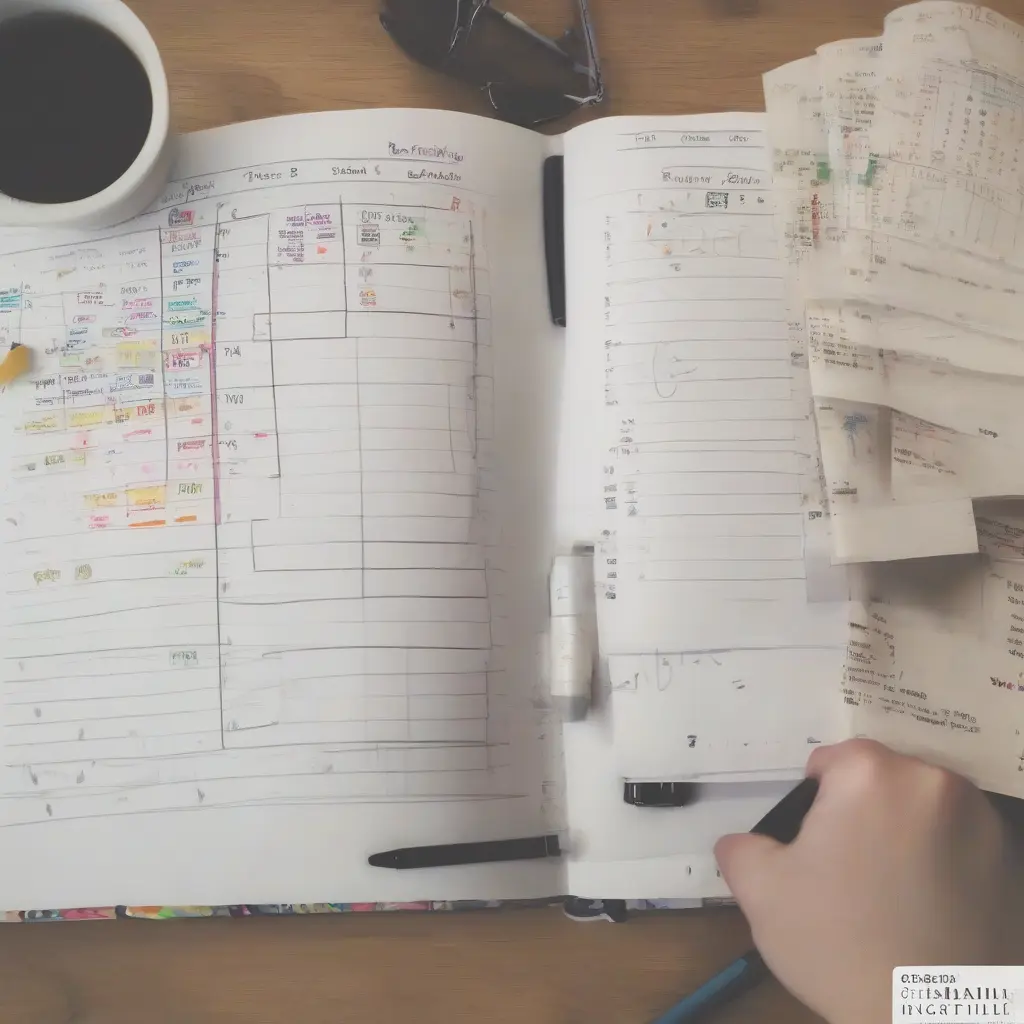
When crafting your weekly planner layout, consider dividing each day into time blocks dedicated to Pomodoros. Start by outlining your work sessions, followed by scheduled breaks. Most planners function well when maintaining similar structures for each day, allowing flexibility to address varying tasks. Be sure to leave space for notes, adjustments, or additional tasks that may emerge. Visualizing your time in this manner can help you stay motivated and aware of upcoming obligations, facilitating a smoother workflow throughout your week.
Allocating Pomodoros to Tasks
After planning your week, start allocating specific Pomodoros to the tasks identified earlier. Estimate the time needed for each task and assign appropriate Pomodoro blocks accordingly. An effective strategy is to reserve more Pomodoros for larger, more time-consuming tasks and fewer for simpler tasks. Be realistic in your estimation and account for any interruptions that might occur. Experiment with different allocations to find a balance that suits your working style and enhances your productivity. This proactive approach encourages time management and task prioritization.
Incorporating Breaks into Your Planner
Breaks are a core component of the Pomodoro Technique and should be integrated into your weekly planner as well. Include short breaks after every Pomodoro to recharge mentally and physically. Consider engaging in light stretching, hydration, or brief walks during these intervals to refresh your mind. Longer breaks after every fourth Pomodoro help alleviate cognitive fatigue. Scheduling these breaks is crucial, as they prevent burnout and keep your productivity levels sustained throughout the week. Remember, breaks can be just as important as the work sessions themselves.
Reviewing and Adjusting Your Planner
Regularly reviewing and adjusting your planner can lead to ongoing improvement in productivity. At the end of each week, assess what worked and what didn’t, evaluating task completions and time allocations. Take note of any patterns that hinder your efficiency, such as distractions or underestimating tasks. This reflective practice is pivotal for making necessary adjustments in the upcoming week. Remember, flexibility is key; adapting your approach as you gain insights will help you refine your scheduling and maximize your use of the Pomodoro Technique.
Leveraging Technology for Enhanced Productivity
Various digital tools and applications can facilitate implementing the Pomodoro Technique within your weekly planner. Applications like Todoist, Trello, and specialized Pomodoro timers provide structured interfaces for managing tasks and timing sessions. These tools can help track your progress, set reminders, and visualize accomplishments effectively. By utilizing technology, you can streamline your planning process, ensuring a more organized approach to your productivity goals. Explore different software options to identify which best complements your planning style and preferences.
Staying Disciplined with Your Planner
Discipline plays a significant role in maximizing the effectiveness of your weekly planner and the Pomodoro Technique. Commit to following the established schedule and honoring the planned Pomodoros. This level of dedication requires self-control and consistency but yields substantial benefits. Implement strategies such as accountability partners or progress tracking to stay motivated. When faced with distractions, remind yourself of the long-term rewards associated with a disciplined approach. Embracing this commitment can significantly enhance your productivity and self-confidence over time.
Conclusion
Building a weekly planner around the Pomodoro Technique can revolutionize your productivity. By clearly defining goals, organizing tasks, and adhering to structured work intervals, you create a balanced approach to time management. Implementing breaks effectively aids in maintaining focus and preventing burnout, while regular review promotes ongoing improvements. By leveraging technology and fostering discipline, you can harness the full potential of this technique. Start planning your week today, and experience the transformative effects of this efficient productivity method.